
Handmade Bracelets vs. Mass-Produced Jewelry: A Guide to Fashion Jewelry Choices
In the ever-evolving world of fashion jewelry, retailers face a crucial decision: should they invest in handmade bracelets or opt for mass-produced jewelry? Both categories offer unique advantages and challenges, making it essential for retailers to understand their differences. Handmade bracelets, often characterized by their artisanal quality and personal touch, contrast sharply with the uniformity and efficiency of mass-produced items. This article aims to provide retailers with a comprehensive overview of both options, highlighting key specifications, use cases, and sourcing strategies to help them make informed decisions.
Specifications of Handmade Bracelets
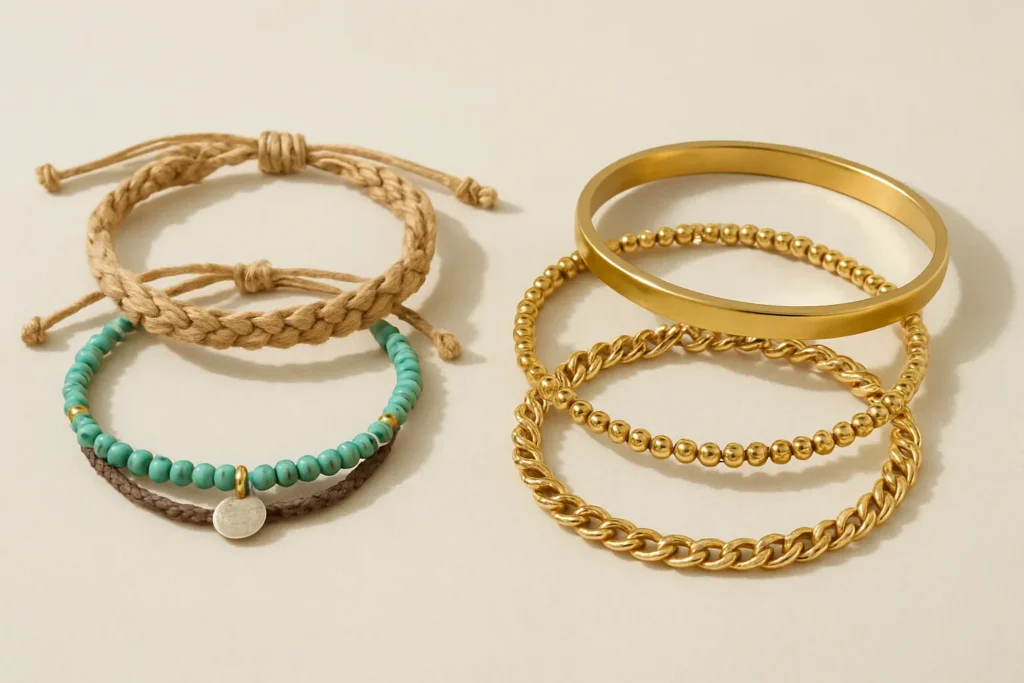
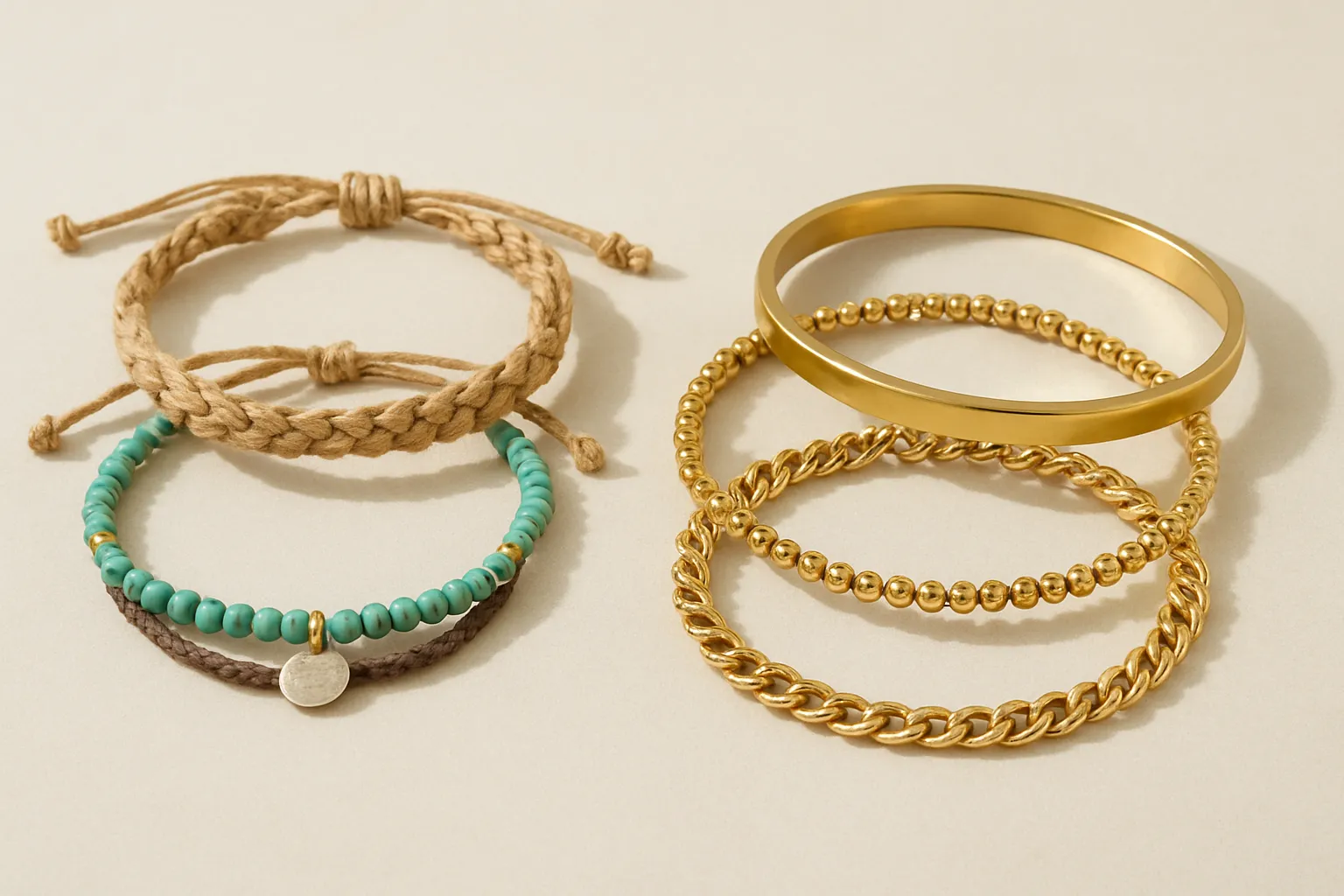
Handmade bracelets are a celebration of artistry and individuality. The materials used in these pieces can vary widely, ranging from natural stones, leather, and metals to recycled materials. Artisans often select high-quality components that reflect their personal style and craftsmanship.
Craftsmanship plays a vital role in the appeal of handmade bracelets. Each piece is typically crafted by hand, allowing for a level of detail and variability that mass production cannot replicate. This variability not only enhances the aesthetic appeal but also creates a story behind each bracelet, making them more desirable to consumers looking for unique fashion jewelry.
Customization options are another significant advantage of handmade bracelets. Retailers can collaborate with artisans to create bespoke pieces tailored to specific customer preferences, allowing for a more personalized shopping experience. In my experience, this aspect can be a strong selling point, especially in markets that value individuality and self-expression.
Specifications of Mass-Produced Jewelry
In contrast, mass-produced jewelry is marked by standardization in production. This approach allows for the creation of large quantities of items that share similar designs and specifications. Retailers benefit from the consistency and predictability that mass production offers, ensuring that they can meet consumer demand without the risk of stock shortages.
When it comes to material quality, mass-produced jewelry can vary significantly. While some manufacturers prioritize high-quality materials, others may cut costs by using lower-grade components. Retailers must carefully assess the sourcing practices of their suppliers to ensure that they are offering products that meet their quality standards.
Cost efficiency is one of the most significant advantages of mass-produced jewelry. The economies of scale achieved through large-scale production allow retailers to offer competitive pricing models. This can be particularly appealing in markets where price sensitivity is a critical factor in consumer purchasing decisions.
Use Cases for Handmade Bracelets
The target audience for handmade bracelets often includes consumers who value craftsmanship, sustainability, and uniqueness. Market trends indicate a growing interest in ethically sourced and locally produced goods, making handmade bracelets an attractive option for retailers seeking to cater to this demographic.
Unique selling propositions for handmade bracelets include their artisanal quality, the story behind the craftsmanship, and the ability to offer customized designs. Retailers can leverage these aspects in their marketing strategies to create a compelling narrative that resonates with consumers. From what I have seen, storytelling in marketing can significantly enhance customer engagement.
Seasonal and event-based sales opportunities also present significant potential for handmade bracelets. For instance, holiday seasons, weddings, and festivals are ideal times to promote unique pieces that can serve as thoughtful gifts or statement accessories.
Use Cases for Mass-Produced Jewelry
Mass-produced jewelry excels in high-volume sales and distribution. Retailers can stock a wide variety of designs, ensuring that they can cater to a broad audience. This flexibility allows for quick adaptation to changing fashion trends and consumer preferences.
Brand recognition is another critical advantage of mass-produced jewelry. Established brands often dominate the market, benefiting from consumer familiarity and trust. Retailers can capitalize on this by offering popular mass-produced lines that attract customers seeking well-known labels.
The versatility of mass-produced jewelry makes it suitable for various retail settings, from high-end boutiques to discount stores. This adaptability allows retailers to position their offerings strategically, maximizing sales across different market segments.
Comparison of Handmade and Mass-Produced Jewelry
When comparing handmade bracelets to mass-produced jewelry, one of the most significant factors is the quality versus quantity debate. Handmade pieces often boast superior craftsmanship and materials, while mass-produced items focus on delivering a higher volume at a lower price point.
Price point analysis reveals that handmade bracelets typically command a higher price due to the labor and skill involved in their creation. Conversely, mass-produced jewelry is often more affordable, making it accessible to a broader range of consumers.
Consumer perception plays a crucial role in brand loyalty. Many consumers are willing to pay a premium for handmade items due to their perceived value, uniqueness, and the story behind each piece. In contrast, mass-produced jewelry may foster brand loyalty based on familiarity and trust in established brands.
Sourcing Handmade Bracelets
Finding reliable artisans and suppliers for handmade bracelets can be a rewarding endeavor for retailers. Building relationships with craftspeople allows retailers to ensure quality and authenticity in their offerings. Attending artisan markets, craft fairs, and trade shows can help retailers discover talented artisans and establish valuable connections.
Evaluating quality and authenticity is essential when sourcing handmade bracelets. Retailers should seek out artisans who prioritize ethical sourcing and sustainable practices, as these factors resonate with today’s conscious consumers. From my observations, consumers increasingly prefer brands that align with their values.
Building relationships with craftspeople not only ensures a steady supply of unique products but also fosters collaboration opportunities for custom designs. This partnership approach can enhance the retailer’s brand identity and strengthen customer loyalty.
Sourcing Mass-Produced Jewelry
Identifying manufacturers and wholesalers for mass-produced jewelry requires thorough research. Retailers should evaluate potential partners based on their reputation, production capacity, and reliability. Attending industry trade shows and utilizing online directories can facilitate connections with reputable suppliers.
Assessing production capacity and lead times is crucial for retailers to ensure that they can meet consumer demand. Retailers should inquire about minimum order quantities and the ability to scale production based on seasonal trends.
Negotiating terms and pricing with manufacturers is a critical step in the sourcing process. Retailers should aim to establish mutually beneficial agreements that allow for competitive pricing while maintaining quality standards.
FAQs
Common Questions About Handmade Bracelets
- What types of materials are commonly used in handmade bracelets?
- How can I market handmade bracelets effectively to my customers?
- Are handmade bracelets suitable for wholesale distribution?
Common Questions About Mass-Produced Jewelry
- What are the advantages of selling mass-produced jewelry?
- How can I ensure the quality of mass-produced items?
- What are the best practices for marketing mass-produced jewelry?
Addressing Retailer Concerns and Misconceptions
Retailers may be concerned about the perceived value of handmade bracelets compared to mass-produced items. It’s essential to communicate the unique aspects of handmade jewelry, emphasizing craftsmanship and personalization. Similarly, addressing concerns about the quality and sourcing of mass-produced jewelry can help retailers build trust with their customers.
Conclusion
In conclusion, both handmade bracelets and mass-produced jewelry offer distinct advantages and challenges for retailers. Understanding the specifications, use cases, and sourcing strategies associated with each category is crucial for making informed decisions. By recognizing the unique selling propositions of handmade bracelets and the efficiency of mass-produced jewelry, retailers can effectively cater to diverse consumer preferences and market trends. Ultimately, a balanced approach that incorporates both handmade and mass-produced options may provide the best opportunity for success in the competitive fashion jewelry landscape.