
How to Choose the Right Body Piercing Jewelry for Your Store
1. Understanding Body Piercing Jewelry
Body piercing jewelry has become a significant component of the fashion jewelry industry, appealing to a diverse demographic. To effectively select the right body piercing jewelry for your retail store, it’s crucial to grasp its various aspects.
Types of Body Piercing Jewelry
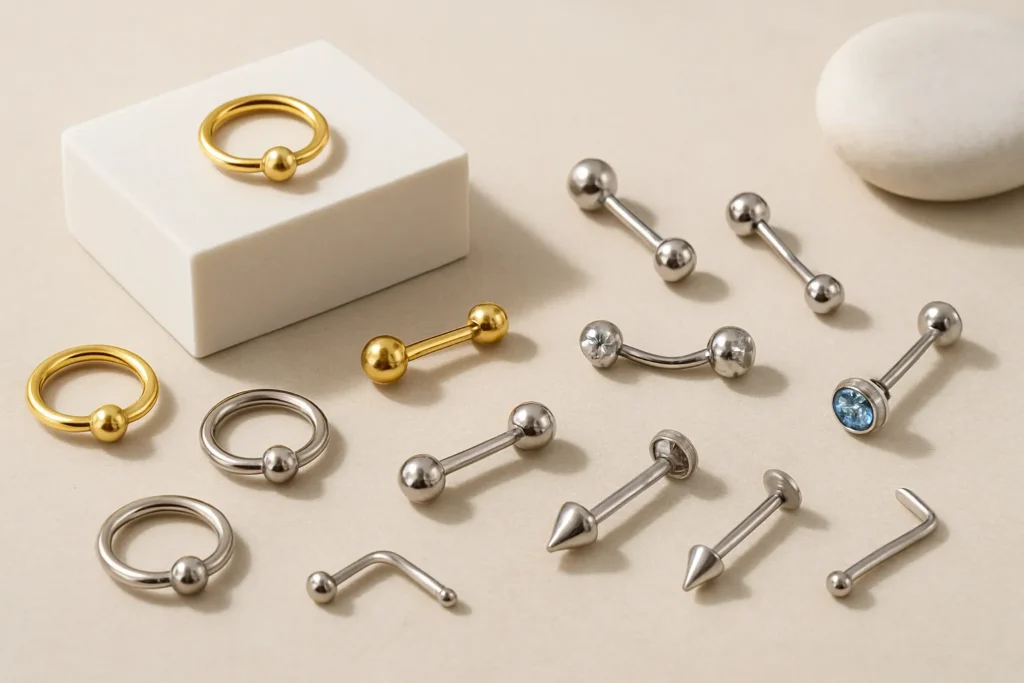
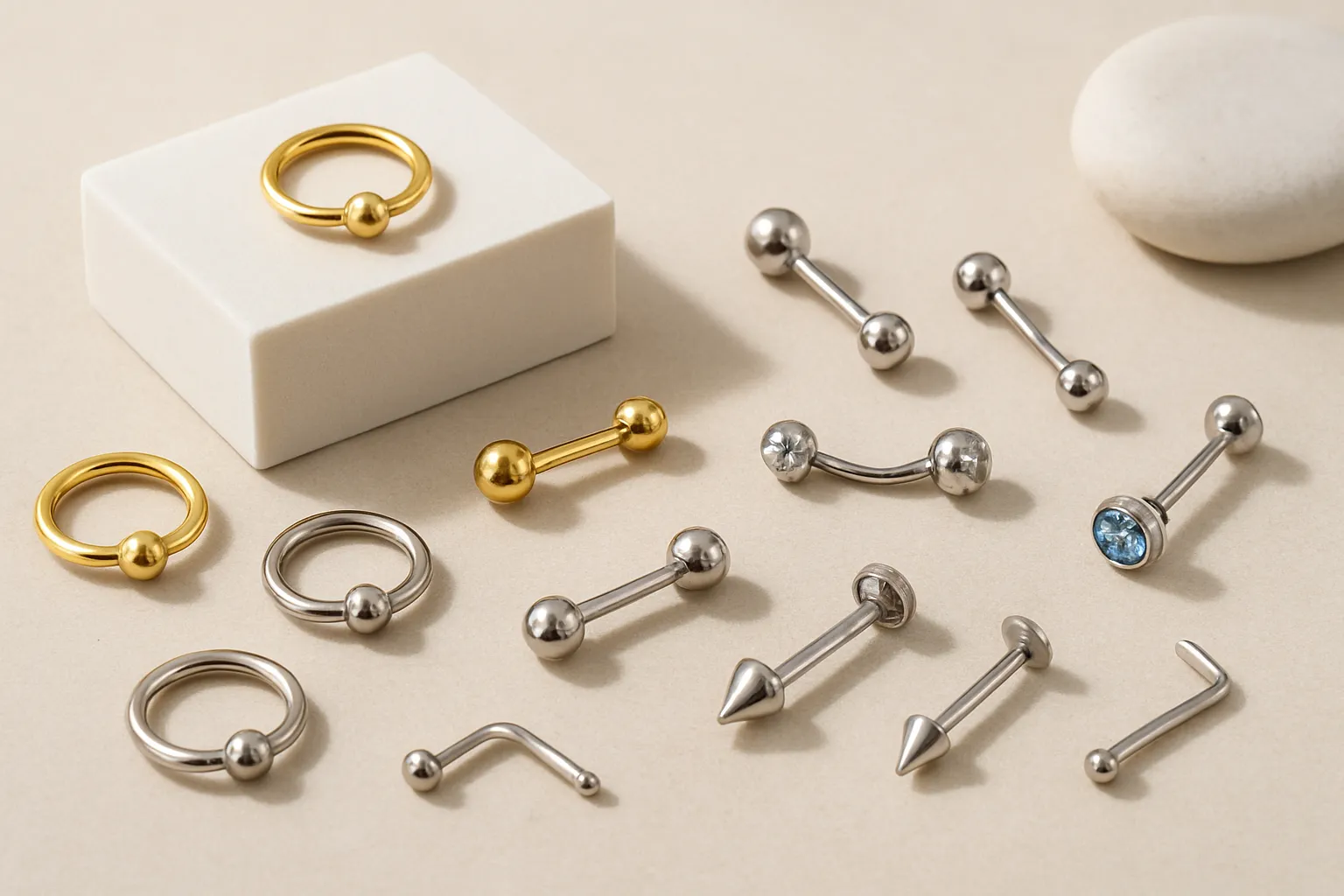
There are many types of body piercing jewelry available in the market, including earrings, nose rings, belly button rings, and dermal anchors. Each type serves a unique purpose and caters to different styles and preferences. For instance, hoops and studs are popular for earlobe piercings, while barbells are often used for tongue or eyebrow piercings. Understanding these categories will help you curate a diverse selection that meets your customers’ needs.
Materials Used in Body Piercing Jewelry
The materials used in body piercing jewelry are vital for both aesthetics and safety. Common materials include surgical stainless steel, titanium, gold, and acrylic. Surgical stainless steel and titanium are preferred for their hypoallergenic properties, making them suitable for sensitive skin. Gold, particularly in higher karats, is also a favored choice due to its durability and timeless appeal. As a retailer, it’s important to ensure that the jewelry you offer complies with safety standards to prevent allergic reactions and infections. For more information on safety standards, you can refer to this technical reference.
Safety Standards and Regulations
When sourcing body piercing jewelry, be aware of the safety standards and regulations that govern the industry. In many regions, jewelry must meet specific health and safety criteria to be sold. Familiarizing yourself with these regulations is essential to ensure that your products are compliant, thus protecting your customers and your business from liability.
2. Assessing Market Trends
Understanding current market trends is vital for stocking body piercing jewelry that resonates with your target audience.
Current Trends in Body Piercing Jewelry
Recently, there has been a surge in popularity for unique and personalized body piercing jewelry. Custom pieces that reflect individual style, such as nameplates or birthstones, are particularly in demand. Furthermore, minimalist designs have gained traction, appealing to consumers who prefer subtlety over extravagance.
Customer Preferences and Demographics
Identifying customer preferences is essential for effective inventory management. Younger demographics, particularly Gen Z and millennials, are driving the trend for body piercings, often seeking bold and expressive designs. Understanding these preferences will help you tailor your product offerings to meet the desires of your target market.
Seasonal and Event-Based Trends
Seasonal trends can also influence the popularity of certain body piercing jewelry styles. For example, during summer, there may be an increased demand for belly button rings due to beachwear. Similarly, around events like music festivals, vibrant and eye-catching pieces may see a spike in sales. Staying attuned to these trends can help you optimize your inventory.
3. Sourcing Body Piercing Jewelry
Finding the right suppliers is crucial for maintaining quality and ensuring a steady inventory of body piercing jewelry.
Finding Reliable Suppliers
Start by researching reputable suppliers who specialize in body piercing jewelry. Attend trade shows, visit industry websites, and network with other retailers to find trustworthy sources. A reliable supplier will not only provide quality products but also support you with marketing materials and product knowledge.
Evaluating Quality and Authenticity
When sourcing jewelry, always prioritize quality and authenticity. Request samples to evaluate the craftsmanship and materials used. Look for certifications or guarantees that validate the quality of the jewelry, especially if you are considering high-priced items like gold or titanium pieces.
Negotiating Pricing and Terms
Once you identify potential suppliers, it’s time to negotiate pricing and terms. Establish a clear understanding of minimum order quantities, payment terms, and shipping costs. Building a good relationship with suppliers can lead to better deals and more favorable terms in the long run.
4. Comparing Different Styles
The style of body piercing jewelry can significantly impact customer interest and sales.
Classic vs. Trendy Designs
Classic designs, such as simple studs or hoops, tend to have a timeless appeal, while trendy designs can attract customers looking for the latest fashions. Offering a balanced mix of both types will cater to various customer preferences and increase your store’s overall appeal.
Body Piercing Jewelry for Different Body Parts
Different body parts require specific styles of jewelry. For example, cartilage piercings often utilize studs or cuffs, while septum piercings may favor circular barbells. Understanding the appropriate jewelry for each piercing type will help you provide a comprehensive selection to your customers.
Custom vs. Pre-Made Options
Offering custom body piercing jewelry can set your retail store apart from competitors. While pre-made options are convenient, custom pieces allow customers to express their individuality. Consider partnering with local artisans or manufacturers who can create bespoke jewelry to meet your customers’ unique requests.
5. Implementing Inventory Management
Effective inventory management is crucial for optimizing sales and ensuring customer satisfaction.
Stocking Strategies for Body Piercing Jewelry
Develop a stocking strategy that aligns with your market research and customer preferences. Consider using a mix of fast-selling items and unique pieces to create a well-rounded inventory. Regularly analyze sales data to adjust your stock levels accordingly.
Displaying Jewelry in Retail Spaces
The way you display body piercing jewelry can significantly impact sales. Utilize attractive displays that highlight the jewelry’s features and appeal to customers. Consider using mannequins or display stands to showcase how the jewelry looks when worn, enhancing the shopping experience.
Managing Seasonal Inventory Changes
As trends and seasons change, so should your inventory. Implement a system for rotating stock to ensure that you always feature the latest styles while minimizing outdated items. This will keep your store fresh and engaging for returning customers.
6. Marketing Body Piercing Jewelry
An effective marketing strategy is essential for promoting body piercing jewelry in your retail store.
Effective Marketing Strategies for Retailers
Utilize a mix of online and offline marketing strategies to reach potential customers. Host in-store events, collaborate with local influencers, and utilize email marketing to keep your audience informed about new arrivals and promotions.
Utilizing Social Media and Influencers
Social media platforms are powerful tools for marketing body piercing jewelry. Collaborate with influencers who align with your brand to showcase your products. Engaging content, such as styling tips and customer testimonials, can help build trust and drive sales.
Creating Promotions and Discounts
Consider implementing promotions and discounts to attract customers. Limited-time offers or bundle deals can create urgency and encourage purchases. Ensure that your promotions are well-publicized to maximize their impact.
7. Addressing Customer Concerns
Customer concerns regarding body piercing jewelry should be addressed proactively to foster trust and loyalty.
Common Questions About Body Piercing Jewelry
Be prepared to answer common questions about body piercing jewelry, such as material safety, sizing, and care instructions. Providing clear and informative answers can enhance the customer experience and reduce hesitation in making a purchase.
Providing Aftercare Information
Educating customers on aftercare is crucial for ensuring their satisfaction and safety. Provide written aftercare instructions with each purchase, detailing how to care for their new jewelry and piercings.
Handling Returns and Exchanges
Establish a clear policy for returns and exchanges to address customer concerns. Ensure that your policy is fair and communicated effectively to customers. A transparent return policy can enhance customer confidence and encourage purchases.
8. FAQs About Body Piercing Jewelry
Providing answers to frequently asked questions can help clarify misconceptions and educate your customers.
Frequently Asked Questions by Retailers
Retailers often have questions about sourcing, pricing, and trends in body piercing jewelry. Address these queries through your website or in-store materials to position yourself as a knowledgeable resource.
Clarifying Misconceptions
There are many misconceptions surrounding body piercing jewelry, particularly regarding safety and materials. Use your platform to educate customers about the facts, helping them make informed decisions.
Resources for Further Information
Direct customers and retailers to reputable resources for further information on body piercing jewelry. This could include industry references, publications, websites, or local experts who can provide additional insights.
Conclusion
Choosing the right body piercing jewelry for your retail store involves understanding the types and materials available, assessing market trends, sourcing from reliable suppliers, and implementing effective marketing strategies. By addressing customer concerns and managing inventory wisely, you can create a successful offering that meets the diverse needs of your clientele. As the body piercing jewelry market continues to evolve, staying informed and adaptable will be key to your retail success.